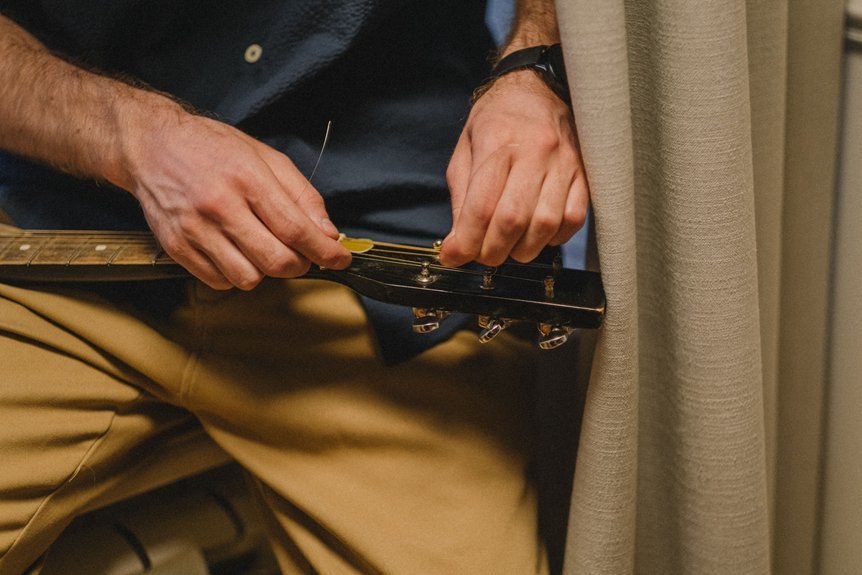
Restringing costs depend on instrument type, string material, tension, and setup precision. Electric guitars typically incur mid-range fees due to quicker setups and tuner work; acoustics and classical guitars often require more labor for bridges, hardware, and intonation checks. DIY kits save money but shift risk to the player. Professional services add labor, nut and fretting checks, and post-install adjustments. Hidden fees and value-added options can alter totals, warranting careful quotes. Consider these factors before deciding how to proceed.
What Affects Guitar Restringing Costs
Factors that influence guitar restringing costs include the instrument type, string material, and tension requirements, which together determine material and labor expenses.
Subtopic mismatch arises when categories fail to align with instrument specifics, while irrelevant ideas dilute clarity.
The text remains technically concise, avoiding fluff, and conveys how material choice and setup precision drive labor time, supplier fees, and overall price.
Price Ranges by Guitar Type: Electric, Acoustic, Classical
Restringing costs vary by guitar type due to differences in construction, scale, and string requirements. Electric guitars typically fall within mid-range due to shorter setup times and accessible tuners, while acoustics and classical models incur higher labor due to longer setup and knot-heavy bridges. Material quality and playability influence pricing, with substantial variance across brands and hardware, reflecting lengthy setup.
DIY vs. Professional Restring: When to Choose Which Path
Professional restringing is generally favored for accuracy and consistency, while DIY restringing can be viable for routine maintenance with appropriate precautions.
Decision hinges on timing considerations and material tradeoffs: professional work ensures precise winding, intonation, and setup; DIY offers cost savings but higher risk of slip, stretch, or incorrect gauge.
Each path suits differing comfort levels, schedules, and guitar construction nuances.
Hidden Fees and Value-Adding Services to Watch For
Hidden costs can obscure the total expense of restringing, as service quotes often exclude or misstate ancillary charges. In practice, hidden line items may include tuning tweaks, nut inspections, or fretting checks performed post-install. Value-added services should be evaluated for necessity and quality. Consider camera angles for inspection orientation and tool ergonomics to ensure efficient, consistent workmanship without excess fees.
Frequently Asked Questions
How Long Does a Restring Usually Take to Complete?
A restring typically takes 30 to 90 minutes, depending on guitar type and setup. The restrained timeframe reflects restringing duration and skilled technique; service turnaround is influenced by fingerboard access, string winding efficiency, and calibration for optimal intonation and tension.
Can I Supply My Own Strings for a Cheaper Restring?
A coincidence of choice appears: one may supply DIY strings, but shops vary on compatibility and liability. The answer: yes, it can be cheaper, yet tuning stability and setup quality may suffer if gauges or winding types differ.
Do Coatings or Finishes Affect Restringing Cost?
Coatings impact the restringing process by potentially adding time and care requirements, while finishes cost may influence maintenance routines post-service. The effect is typically modest; experienced technicians incorporate these factors into estimates and workflow without compromising instrument integrity.
Will Restringing Affect My Guitar’s Tension or Setup?
An allegorical note opens: restringing does not introduce unrelated tension or unrelated setup; it slightly alters neck stress and truss equilibrium but remains within factory specs, requiring minor truss rod or bridge adjustments for optimal playability.
Do Warranties Cover Restringing Services or Parts?
Warranties typically exclude restringing as wear or maintenance; repair shop policies vary. The answer depends on the instrument’s warranty terms, with some covering parts or labor only if tied to a broader defect, otherwise excluding restringing.
Conclusion
In examining restringing, it becomes clear that cost reflects more than string price. The theory that cheaper strings always save money is incomplete: labor, setup precision, and instrument-specific needs (nut, intonation, fretting checks) often dominate. Professional services add value through accurate tensioning, bridge work, and minor adjustments, justifying higher fees for complex instruments. For players, a balanced estimate—string material, type, and anticipated setup—yields reliable budgeting, while remaining mindful of hidden fees and optional upgrades.